
Lactose-Free Cheeses: Which Cheeses Can You Eat?
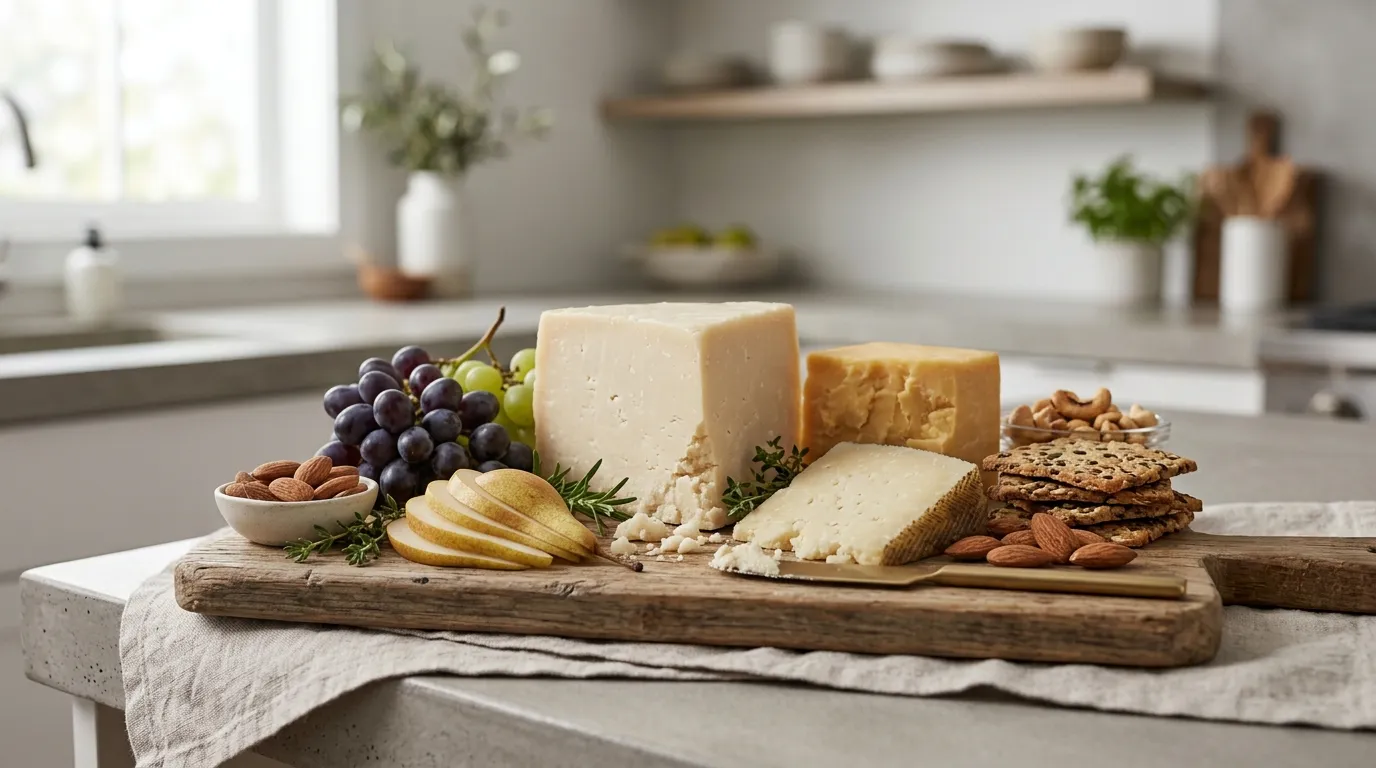
Lactose-free cheeses are a useful option for people who enjoy cheese but experience digestive discomfort after consuming lactose. The good news is that you may not need to give up cheese completely. Many aged cheeses naturally contain very little lactose, while specially made lactose-free cheeses provide another alternative.
Understanding the difference between naturally low-lactose cheese and certified or labelled lactose-free products can help you choose the right cheese for sandwiches, salads, pasta, pizza, and other homemade dishes.
What Is Lactose-Free Cheese?
Lactose is a natural sugar found in milk and dairy products. People with lactose intolerance have difficulty digesting this sugar because their bodies produce insufficient lactase, the enzyme needed to break it down.
Lactose-free cheese is made to contain no lactose or only a negligible amount, depending on the product and its labelling standards. Some products are made using lactose-free milk, while certain traditional cheeses become naturally very low in lactose during production and aging.
It is important to remember that lactose-free does not mean dairy-free. Lactose-free cheese made from cow’s milk still contains milk proteins and is unsuitable for someone with a cow’s milk allergy.
Which Cheeses Are Naturally Low in Lactose?
Many hard and aged cheeses contain very little lactose because much of the lactose leaves with the whey during production, and beneficial bacteria break down much of the remaining lactose as the cheese matures.
1. Parmesan Cheese
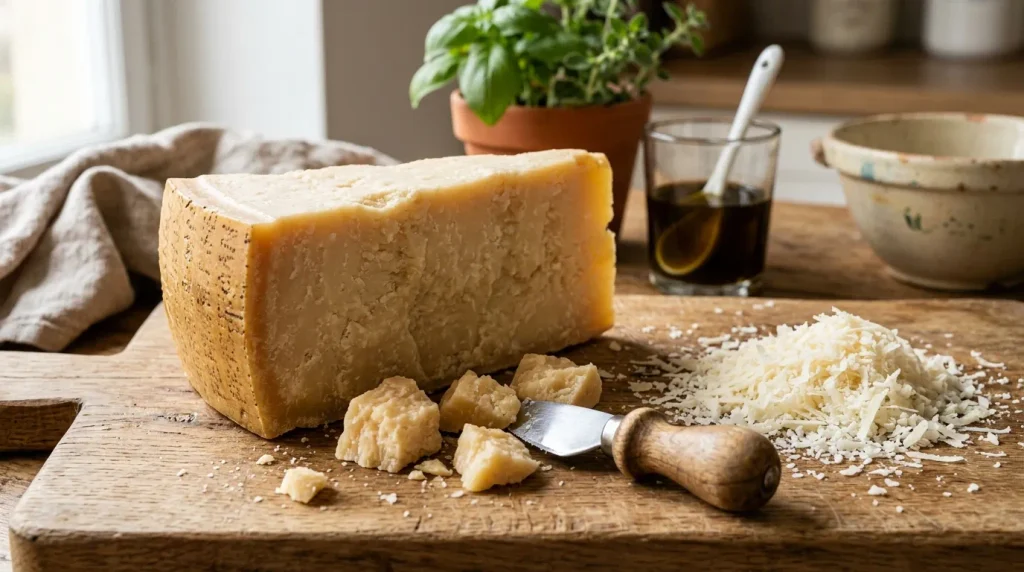
Parmesan, especially authentic Parmigiano Reggiano, is one of the best-known examples of naturally lactose-free cheese. Its traditional production process rapidly reduces lactose to extremely low levels.
Grated Parmesan is ideal for pasta, risotto, soups, roasted vegetables, and homemade sauces. Its strong, savoury flavour means that a small amount can add plenty of taste.
2. Aged Cheddar Cheese
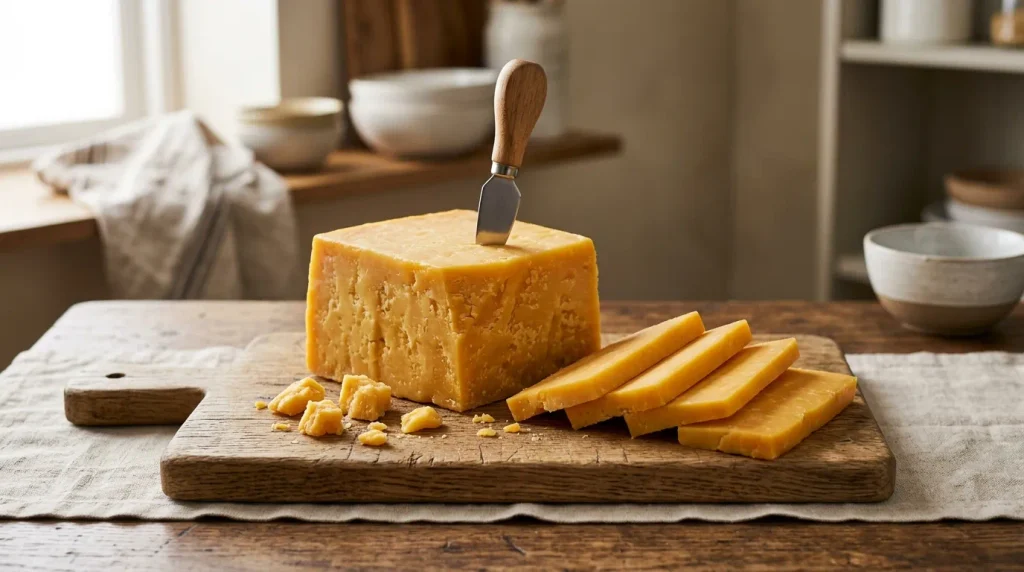
Aged Cheddar generally contains very little lactose compared with milk and many fresh cheeses. As Cheddar matures, bacteria break down the remaining lactose.
Use it in sandwiches, omelettes, casseroles, savoury pastries, and cheese sauces. Check the label when buying it, particularly if you need to avoid lactose very strictly.
3. Swiss Cheese
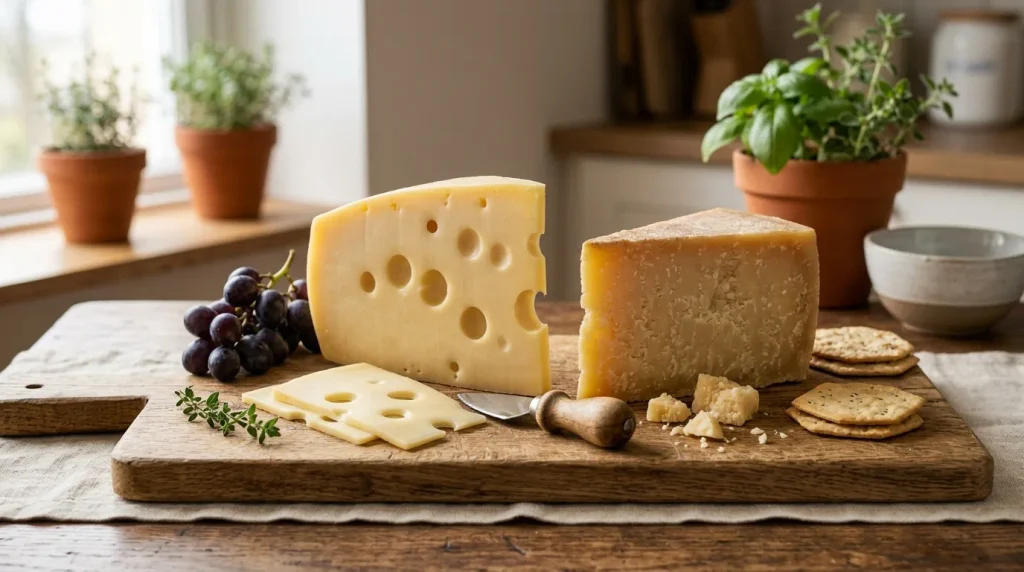
Swiss-style cheeses, including Emmental, are typically low in lactose. Their fermentation and maturation processes help reduce the amount of lactose remaining in the finished cheese.
Swiss cheese works well in toasted sandwiches, burgers, baked dishes, and cheese platters.
4. Gruyère Cheese
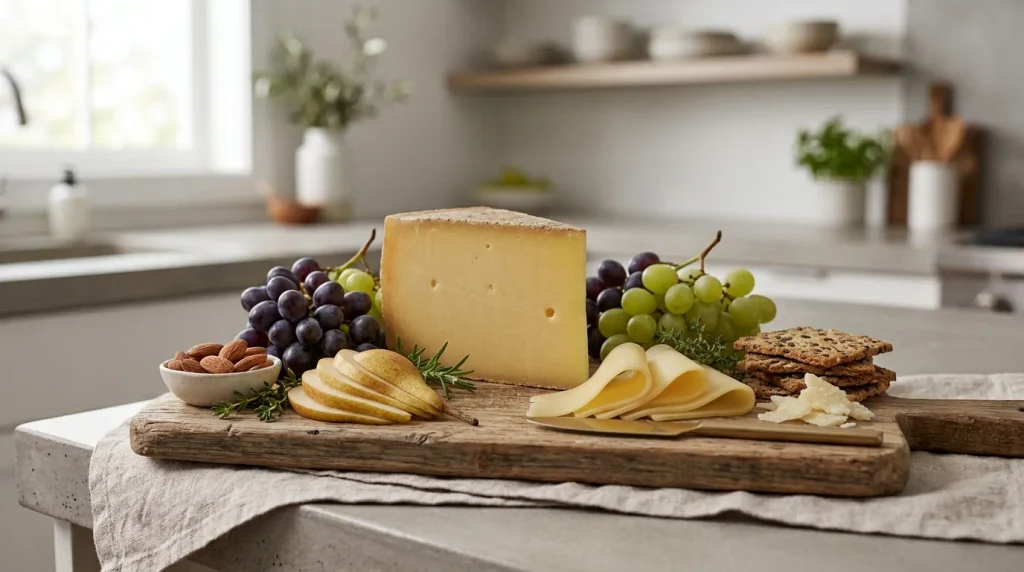
Gruyère is a matured Swiss cheese with a rich, nutty flavour. Like many well-aged hard cheeses, it generally contains very little lactose.
It can be used in gratins, savoury tarts, baked vegetables, and creamy-style sauces. Because its flavour is pronounced, it pairs well with potatoes, onions, and mushrooms.
5. Grana Padano
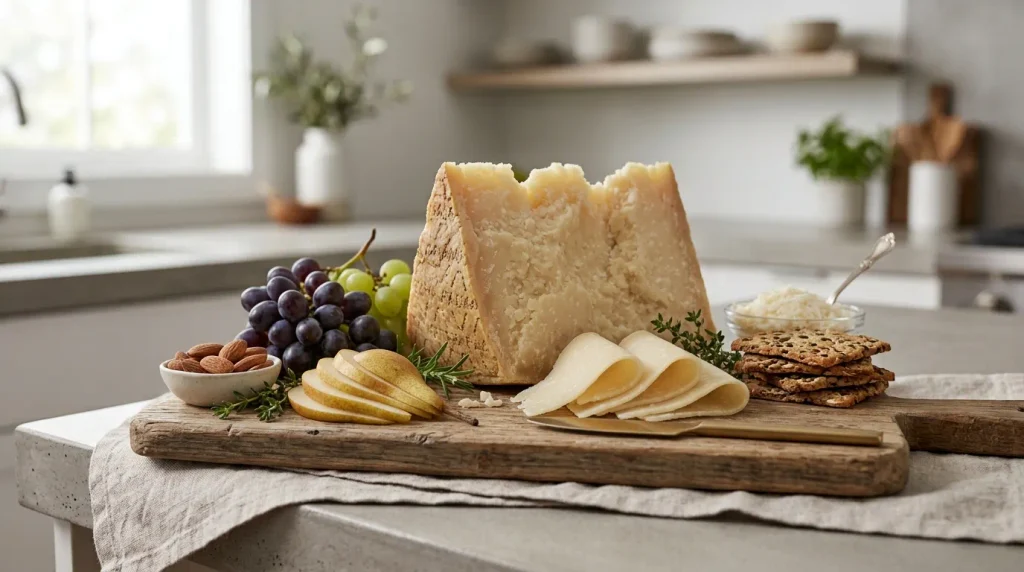
Grana Padano is an Italian hard cheese that naturally contains extremely low levels of lactose as a result of its traditional production process.
Grate it over pasta, soups, roasted vegetables, and salads, or serve thin slices with fruit and crackers.
6. Pecorino Romano
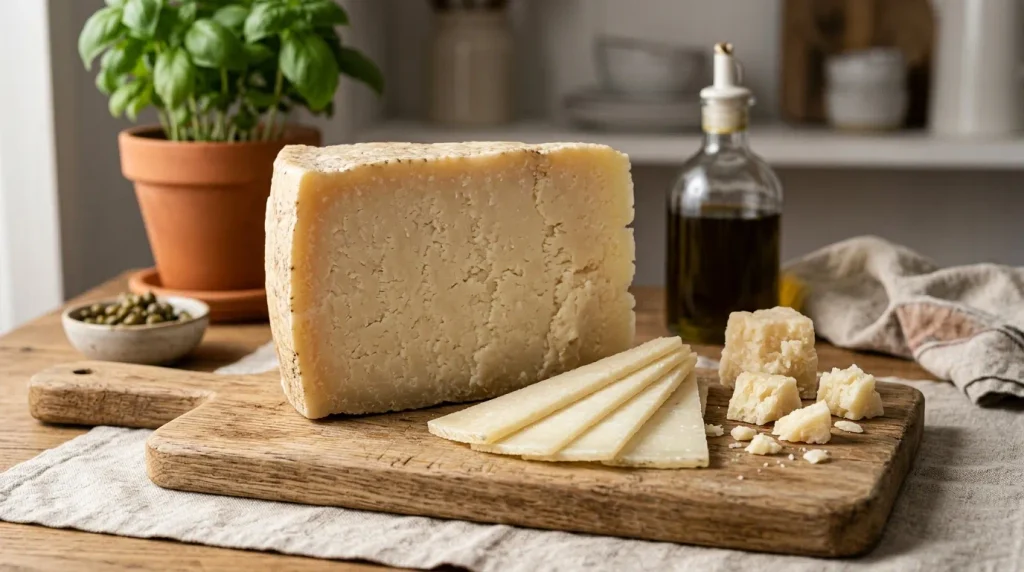
Pecorino Romano is a firm Italian cheese made from sheep’s milk. Traditional, well-matured Pecorino Romano is naturally very low in lactose.
Its salty, sharp flavour makes it particularly useful in pasta dishes, vegetable recipes, and savoury fillings.
Important: Naturally low-lactose cheeses are not all identical. Their lactose content can vary according to the variety, production method, and maturation process. If you need to avoid even trace amounts, choose a product explicitly labelled lactose-free.
What About Mozzarella, Ricotta, and Cream Cheese?
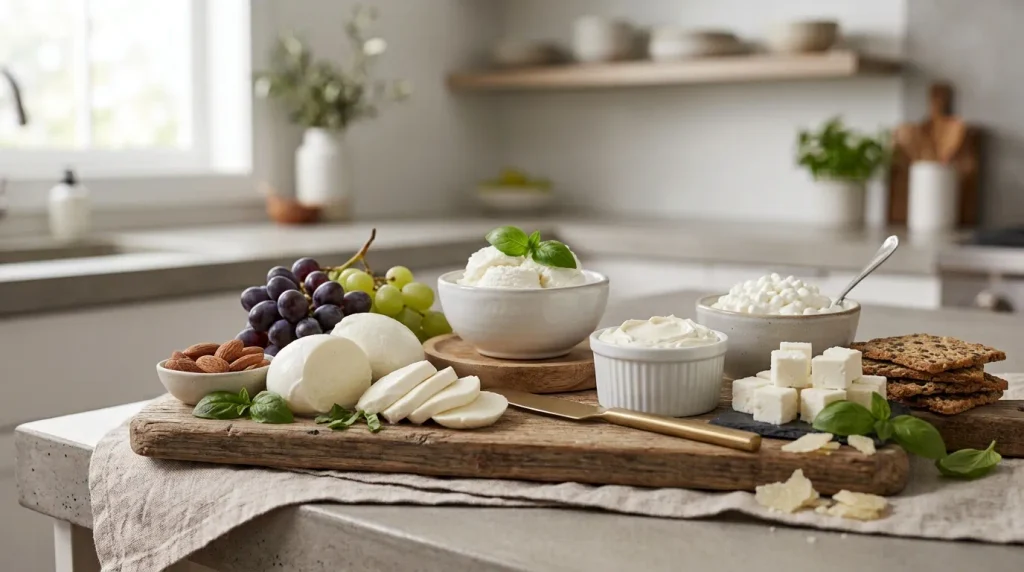
Not every cheese has the same lactose content. Fresh cheeses generally retain more moisture and can contain more lactose than well-aged hard cheeses.
- Mozzarella: Often lower in lactose than milk, but the amount varies by type and product. Do not assume every fresh mozzarella is lactose-free.
- Ricotta: Can contain more lactose than aged hard cheese, so look for a specifically labelled lactose-free version if needed.
- Cream cheese: Usually contains more lactose than mature hard cheeses. Choose a lactose-free version when available.
- Cottage cheese: Lactose levels vary, and ordinary varieties may not be suitable for everyone with lactose intolerance.
- Feta: Can be relatively low in lactose compared with milk, but it should not automatically be considered lactose-free.
For the most reliable choice, read the product label rather than relying on the cheese name alone.
Lactose-Free Cheese vs. Dairy-Free Cheese
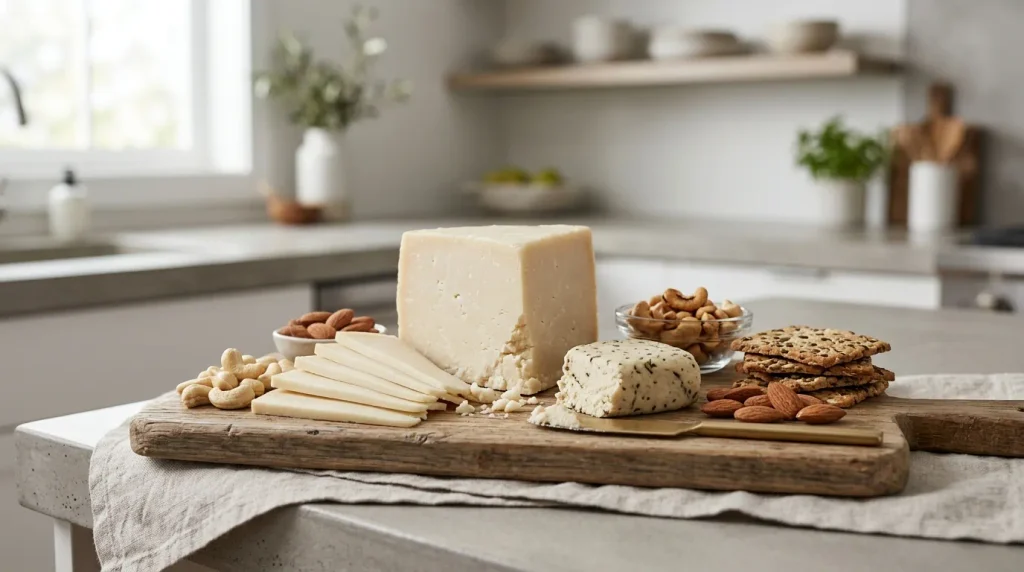
These two terms describe different products.
Lactose-free cheese is made from dairy ingredients with the lactose removed or broken down to the level specified by the product’s label. It can still contain milk proteins.
Dairy-free cheese is made without dairy ingredients, often using coconut oil, nuts, soy, starches, or other plant-based ingredients. It does not naturally contain milk lactose when it is genuinely dairy-free, but its nutritional content varies.
If you have lactose intolerance, either option may suit your needs. If you have a milk allergy, however, you must avoid dairy-based lactose-free cheese and check plant-based products for allergen warnings.
How to Choose the Best Lactose-Free Cheese
Choosing the right cheese depends on your dietary needs, taste preferences, and intended use.
- Check the label. Look for an explicit lactose-free statement when you need dependable assurance.
- Choose aged cheeses. Mature Parmesan, aged Cheddar, and similar hard cheeses are naturally very low in lactose.
- Consider the recipe. Choose a cheese that melts well for pizza and baked dishes, or a firm cheese for grating over pasta and salads.
- Compare ingredients. Some processed cheese products contain milk ingredients or added whey, so check the label carefully.
- Pay attention to nutrition. Lactose-free cheese can still be high in saturated fat and sodium. Compare nutritional labels when choosing between products.
How to Use Lactose-Free Cheese in Everyday Cooking
Lactose-free cheese makes it easier to enjoy familiar dishes without unnecessarily changing your cooking routine.
- Pasta: Sprinkle grated Parmesan or Grana Padano over your favourite pasta.
- Pizza: Use a mozzarella product specifically labelled lactose-free if you require a strict lactose-free option.
- Sandwiches: Add lactose-free Cheddar or another suitable sliced cheese.
- Salads: Use a labelled lactose-free cheese or a naturally low-lactose aged cheese, depending on the recipe.
- Baked dishes: Add suitable grated cheese to potatoes, vegetables, and savoury casseroles.
- Breakfast: Use lactose-free cheese in omelettes, toast, or breakfast wraps.
For more everyday cooking inspiration, explore the DishCrave Recipes collection and browse recipes that suit your preferences.
Frequently Asked Questions
Is Parmesan cheese lactose-free?
Authentic Parmigiano Reggiano is naturally considered lactose-free under the applicable Italian criteria because its traditional production process reduces lactose to extremely low levels. Other Parmesan-style products may differ, so check the label if strict avoidance is necessary.
Is Cheddar cheese suitable for people with lactose intolerance?
Aged Cheddar is generally very low in lactose, and some people with lactose intolerance tolerate it well. Individual tolerance varies, and ordinary Cheddar should not automatically be treated as completely lactose-free.
Is mozzarella lactose-free?
Not all mozzarella is lactose-free. Its lactose content depends on the product and manufacturing method. Look for a specifically labelled lactose-free variety if you need to avoid lactose.
Is lactose-free cheese safe for people with a milk allergy?
No. Lactose-free dairy cheese can still contain milk proteins that trigger an allergic reaction. People with a milk allergy need to avoid dairy cheese and select suitable alternatives based on allergen labelling and medical advice.
Does lactose-free cheese taste different?
Many lactose-free cheeses taste similar to their conventional counterparts. The flavour and texture depend on the cheese variety, production method, and ingredients used.
Can lactose-free cheese be used for cooking?
Yes. Lactose-free cheese can be grated, sliced, melted, or baked, depending on the product. Check the packaging for cooking recommendations because melting performance varies between varieties.
Final Thoughts
Lactose-free cheeses offer plenty of ways to enjoy cheese while managing lactose intolerance. Mature Parmesan, aged Cheddar, Swiss cheese, Grana Padano, and Pecorino Romano are useful naturally low-lactose choices, while specially labelled lactose-free products can provide more certainty.
Read ingredient and allergen labels, select cheese according to your recipe, and remember that lactose intolerance is different from a milk allergy. With the right choices, you can continue enjoying a wide range of homemade meals.
You May Also Like
Polenta Croquettes – Crispy Italian Cornmeal Bites
Healthy Food collection on DishCrave.