
Silky Arrowroot Papaya Pudding Recipe: A Refreshing Tropical Dessert
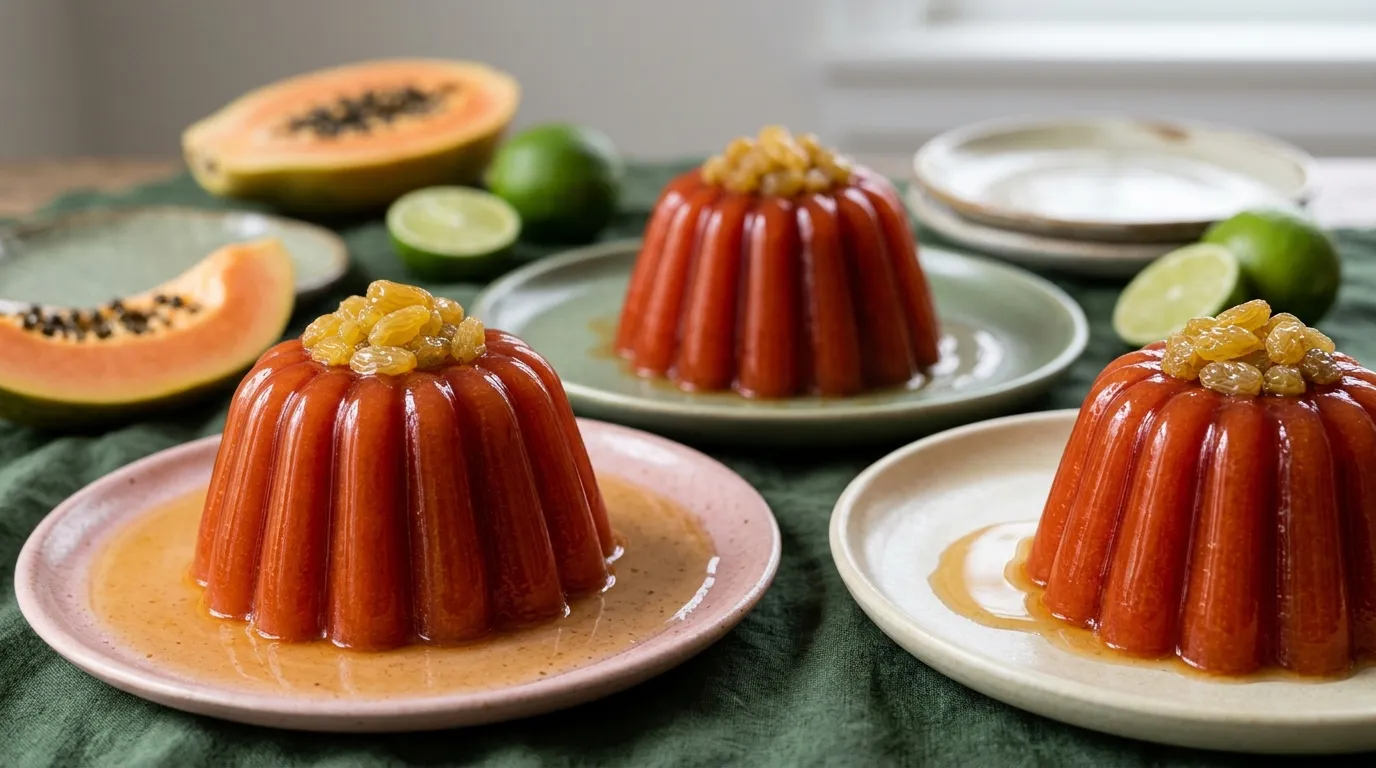
If you are looking for a light, elegant, and naturally delicious dessert that will captivate your guests, this arrowroot papaya pudding is the ultimate tropical treat. Combining the smooth, buttery sweetness of ripe papaya with a touch of bright citrus and a rich, golden caramel sauce, this molded pudding delivers a delicate texture that melts effortlessly in your mouth.
Unlike heavy milk-based puddings or gelatin desserts, this traditional plant-based pudding relies on pure fruit purees and arrowroot starch to achieve its silky, translucent set. It is gluten-free, dairy-free, and surprisingly simple to prepare at home using fresh, wholesome ingredients.
Recipe Overview
- Prep Time: 25 minutes
- Cook Time: 20 minutes
- Chill Time: 4 hours
- Total Time: 4 hours 45 minutes
- Servings: 4 individual puddings
Ingredients
For the Citrus Soaked Raisins (Garnish)
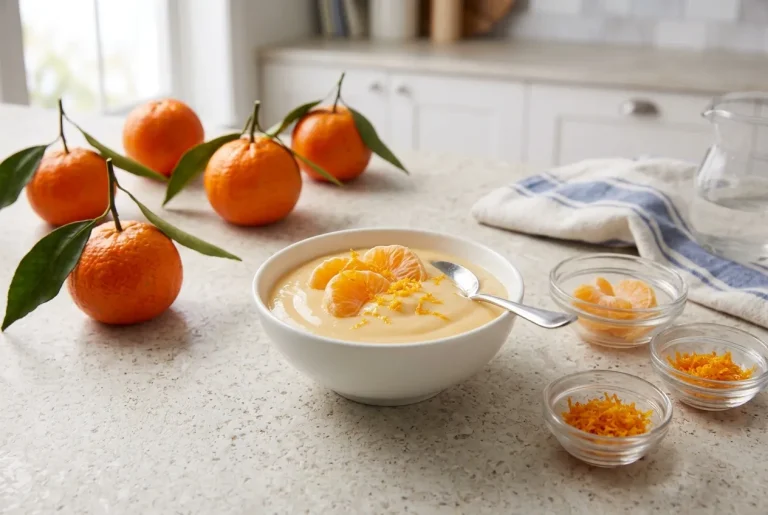
- 8–10 small to medium oranges or tangerines, halved and fresh-squeezed (yields approx. 1 cup fresh juice)
- ½ cup golden raisins (sultanas)
For the Caramel Sauce Base
- ½ cup white granulated sugar
- 2 tablespoons water
For the Papaya Pudding
- 1 large ripe papaya (approx. 3–4 cups freshly strained puree)
- ¾ cup white granulated sugar (adjust slightly based on papaya sweetness)
- 1–2 fresh limes, squeezed (approx. 1–2 tablespoons juice)
- 4 tablespoons arrowroot starch (dissolved in ¼ cup cold water to form a smooth slurry)
Make Shopping Easier
Add this recipe's ingredients to your shopping list and keep everything organized.
Step-by-Step Cooking Instructions
Step 1: Prepare the Citrus-Soaked Raisin Garnish
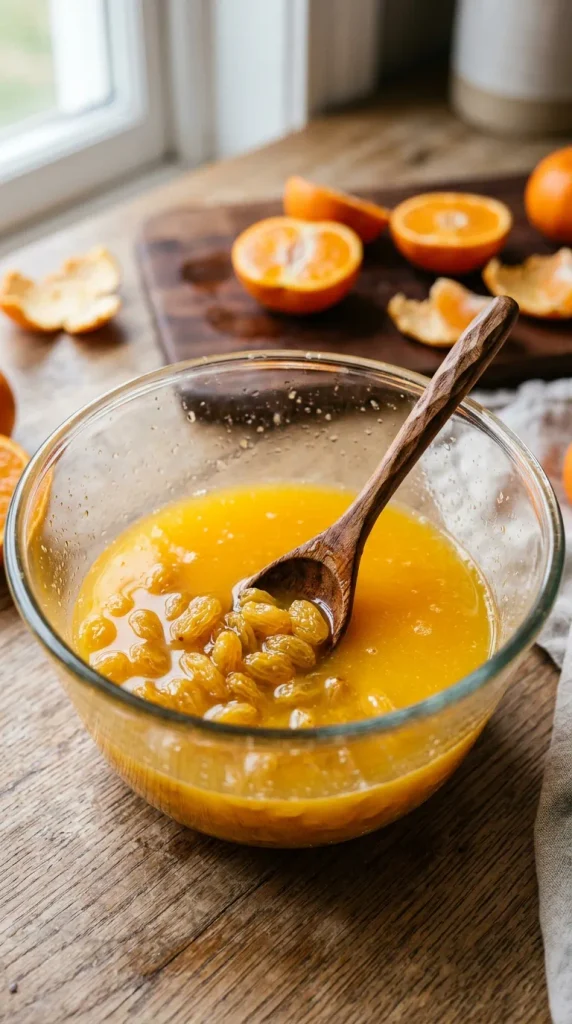
- Slice the fresh oranges (or tangerines) in half on a clean wooden cutting board.
- Squeeze the fresh citrus juice into a clear glass mixing bowl.
- Add the golden raisins directly into the fresh juice. Stir well with a small spoon to submerge the raisins, then set aside to soak and plump while preparing the pudding.
Step 2: Make the Caramel Base
- Place a heavy-bottomed pan or small skillet over medium heat.
- Add ½ cup of white granulated sugar and 2 tablespoons of water.
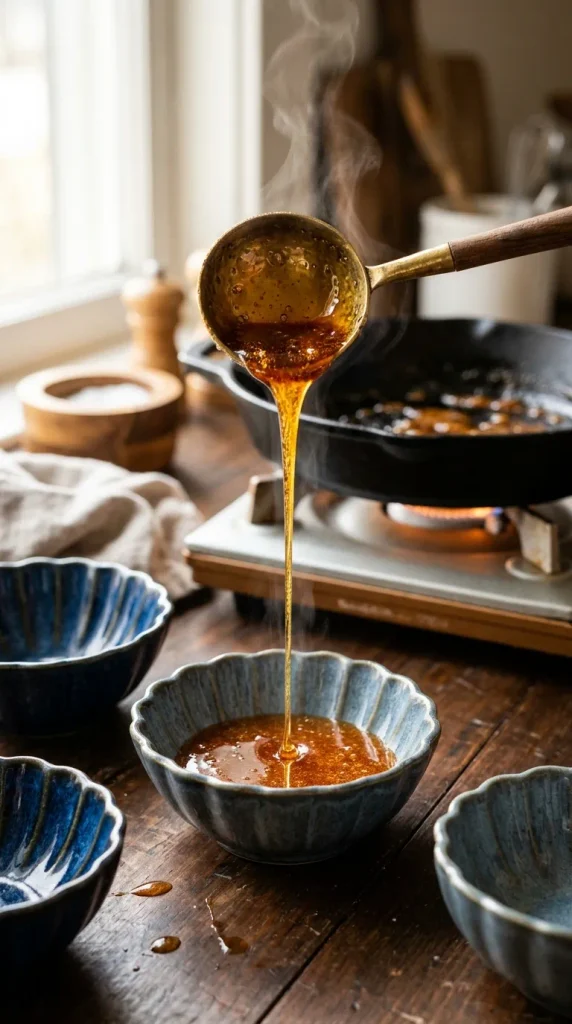
- Heat continuously without scorching, stirring gently as the sugar dissolves. Allow the mixture to cook until it transforms into a deep, golden caramel brown color.
- Immediately pour equal portions of the hot caramel syrup into the bottoms of 4 small ceramic dessert molds or ramekins. Set aside to cool and firm up slightly.
Step 3: Extract Fresh Papaya Puree
- Slice the ripe papaya lengthwise into halves and wedges.
- Scoop out and discard all black seeds from the interior cavity.
- Chop the papaya flesh into manageable chunks.
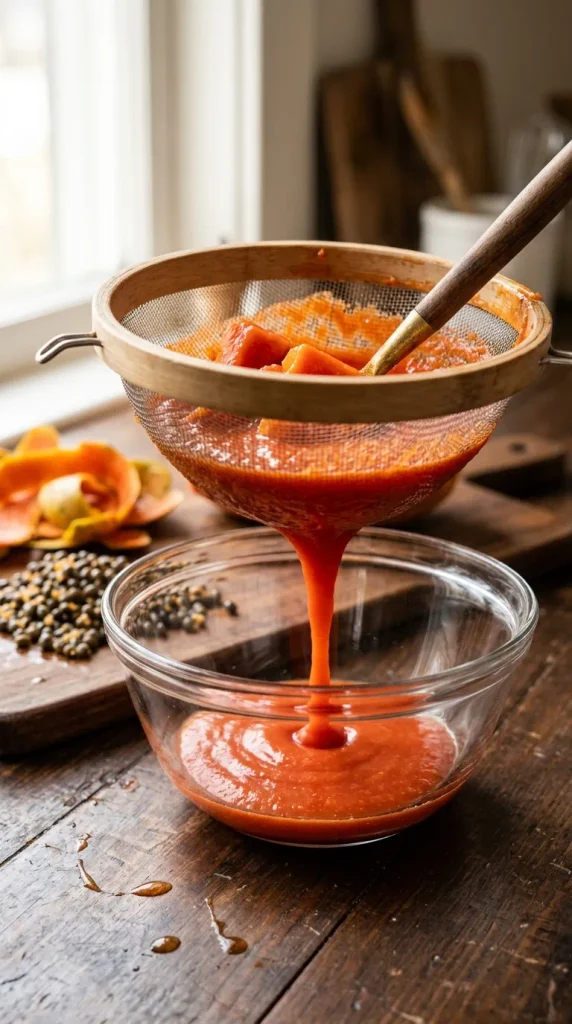
- Place the papaya pieces onto a fine-mesh sieve or strainer positioned over a bowl. Press and mash the pulp thoroughly to extract a smooth, seedless, vibrant red-orange papaya puree.
Step 4: Cook and Thickening the Arrowroot Papaya Pudding
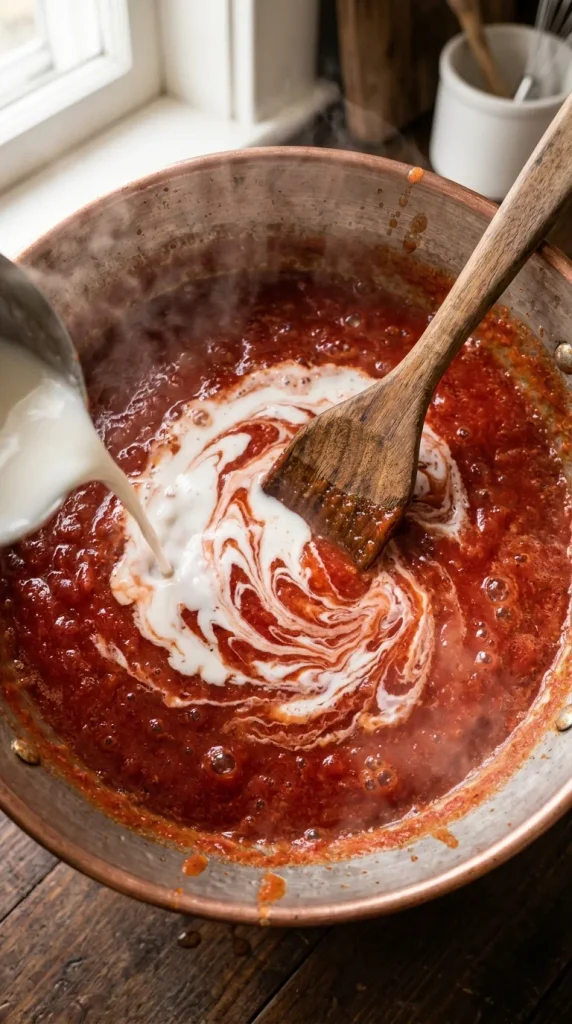
- Transfer the fresh papaya puree into a large, wide cooking pot.
- Stir in ¾ cup of granulated sugar and the freshly squeezed lime juice.
- In a separate small bowl, whisk the arrowroot starch with ¼ cup of cold water until smooth and completely lump-free to create your starch slurry.
- Set the cooking pot over medium heat. As the papaya base heats up, pour in the arrowroot slurry in a steady stream while stirring continuously with a wooden spatula.
- Continue stirring uninterrupted as beautiful silky swirls form. Cook until the pudding thickens significantly, becoming glossy, translucent, and smooth.
Step 5: Fill, Chill, and Mold
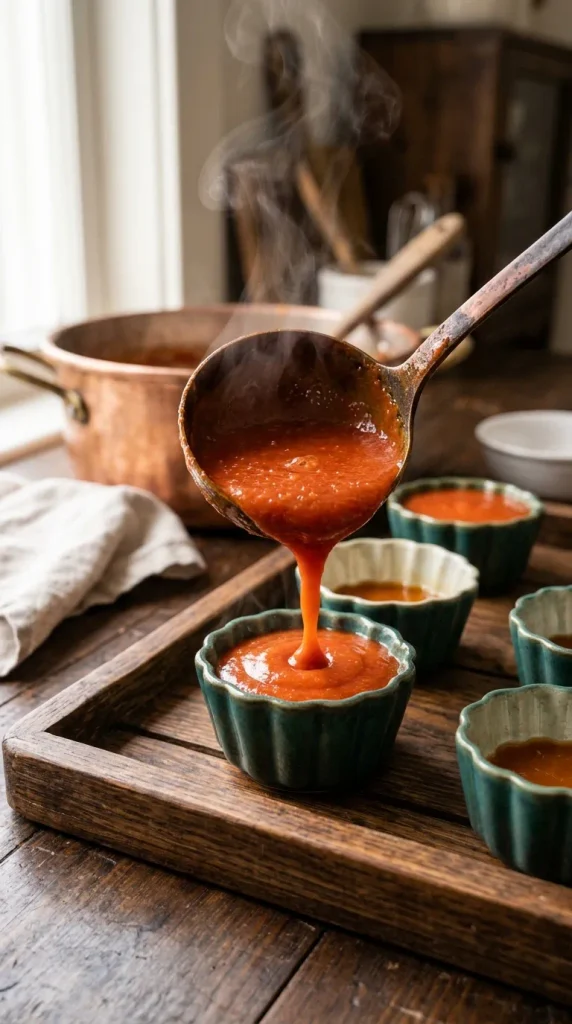
- Carefully ladle the hot, thickened papaya mixture directly over the caramel layer inside each prepared ceramic mold.
- Allow the filled molds to cool to room temperature.
- Place the molds on a tray and transfer them to the refrigerator. Chill for at least 4 hours (or overnight) until fully set and firm.
Step 6: Unmold and Garnish
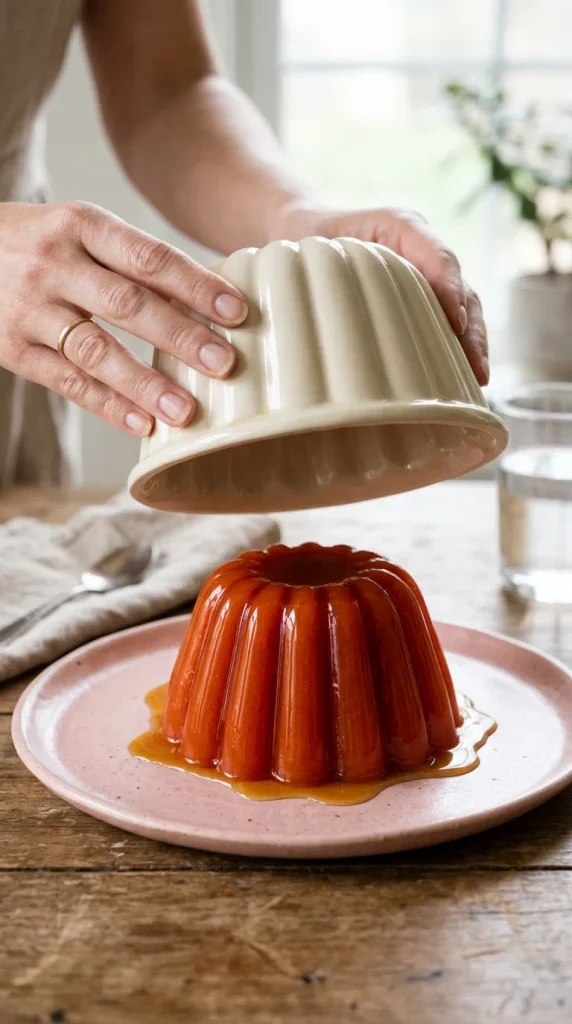
- Run a thin knife gently around the inside rim of each mold if needed.
- Invert a serving plate over the top of each mold and flip. Lift the ceramic bowl away to reveal a perfectly molded, shimmering arrowroot papaya pudding crowned with caramel sauce.
- Scoop out the citrus-soaked golden raisins using a spoon.
- Spoon a generous mound of the plump, juicy raisins over the top of each pudding just before serving.
Helpful Cooking Tips
- Use Naturally Ripe Papaya: For the best color and natural sweetness, select a papaya that is fully orange-red and soft to the touch.
- Mastering Arrowroot Starch: Always dissolve arrowroot starch in cold liquid before adding it to hot mixtures. Never stop stirring while incorporating the slurry to prevent clumping.
- Don’t Overcook Arrowroot: Arrowroot sets beautifully at lower cooking temperatures compared to cornstarch. Once it thickens into a translucent glaze, remove it from heat to maintain its binding strength.
Ingredient Substitutions
- Arrowroot Starch: Tapioca starch or cornstarch can be used in equal measure as a thickening agent if arrowroot is unavailable.
- Limes: Fresh lemon juice works as an excellent substitute for lime juice to provide that essential balance of acidity.
- Golden Raisins: Dried cranberries, chopped dried apricots, or sultanas can be soaked in citrus juice for a delicious alternative topping.
Serving Suggestions
Serve this chilled arrowroot papaya pudding as a light finish to a rich summer meal or tropical feast. It pairs wonderfully with a side of fresh fruit slices, toasted coconut flakes, or a scoop of coconut cream.
Storage and Reheating Instructions
- Refrigeration: Keep the molded puddings covered in the refrigerator for up to 3 to 4 days. Unmold just before serving for the crispest presentation.
- Freezing: Freezing is not recommended, as ice crystals will break down the smooth arrowroot gel structure upon thawing.
- Reheating: This dessert is designed to be served chilled. Do not heat after chilling.
Frequently Asked Questions (FAQs)
What makes arrowroot papaya pudding unique?
This dessert uses pure fruit puree thickened naturally with arrowroot starch. It contains no dairy, eggs, or gelatin, offering a clean, silky texture and vibrant natural color.
Can I make this pudding in advance?
Yes! It is an ideal make-ahead dessert. You can prepare and chill the puddings up to 24 hours in advance. Unmold and garnish with the soaked raisins right before serving.
Why is my caramel sauce hard?
If caramel is cooked for too long or cooled too rapidly before adding the pudding mixture, it can harden. Pouring the hot papaya pudding directly over the caramel layer helps soften the syrup into a liquid sauce as it sets.
Conclusion
This homemade arrowroot papaya pudding is a showstopping tropical dessert that perfectly balances sweet fruit flavor, bright citrus notes, and rich caramel. Easy to prepare yet stunningly elegant, it is a healthy, naturally gluten-free treat that will quickly become a favorite on your dessert menu. Try making it for your next gathering and enjoy every silky bite!
Explore More Delicious Recipes
Looking for more delicious ideas to make at home? Explore these recipes for more inspiration:
- Layered Mixed Fruit Juice Recipe – Discover a refreshing, colorful fruit drink made with layers of delicious fruit flavors.
- Explore More Recipes – Browse our collection of homemade recipes, sweet treats, drinks, and savory dishes.
From Our Other Recipe Collection
- Fried Kebab Recipe – Try this delicious fried kebab recipe for another tasty homemade meal.

Rated 5 stars.
Rated 5 stars.
Rated 5 stars.
Rated 5 stars.