Sweet Orange Caramel Syrup (Pani Dodam) – Sri Lankan Recipe
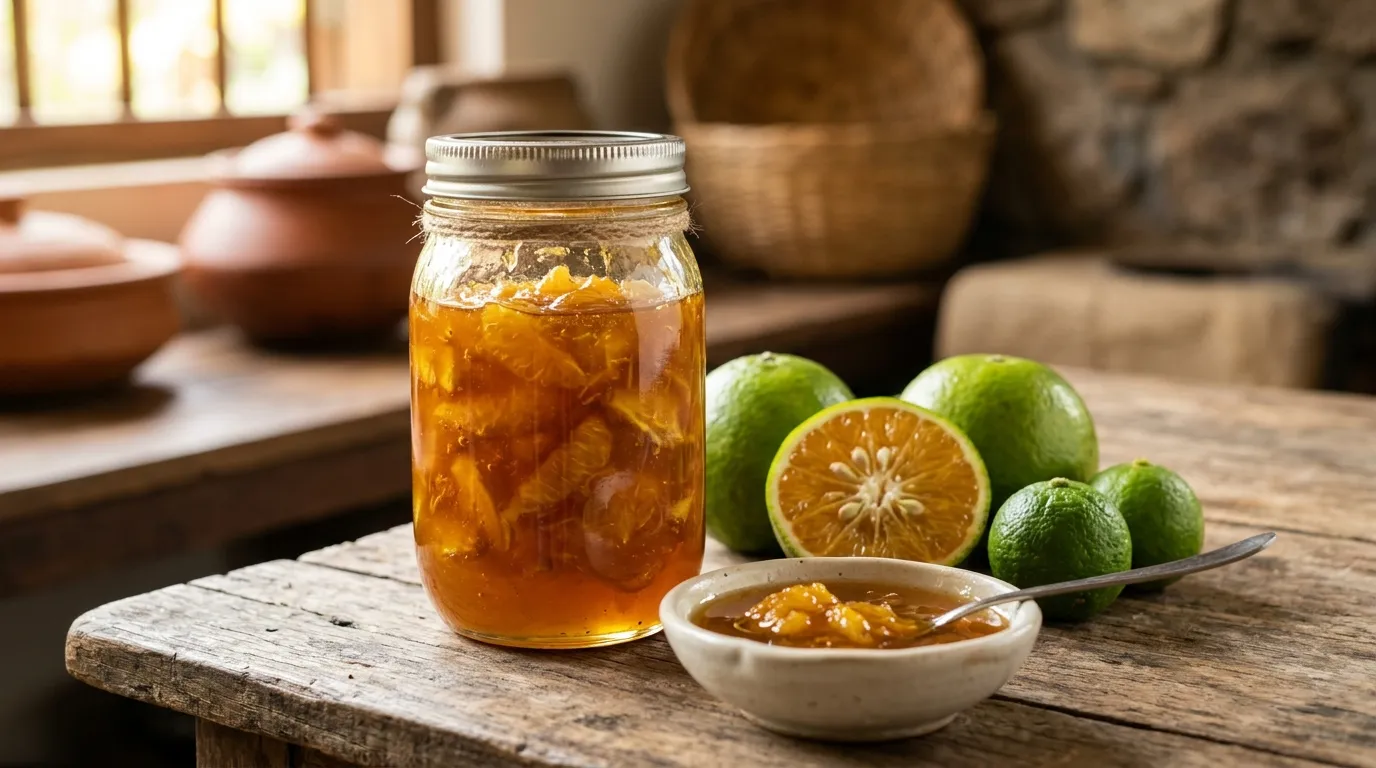
Discover the delightful taste of homemade Sweet Orange Caramel Syrup, inspired by the traditional flavours of Sri Lanka. Made with fresh green sweet oranges (Pani Dodam / පැණි දොඩම්), fresh lime juice, sugar, salt, and tender orange pulp, this fruity syrup combines natural citrus flavours with rich sweetness.
The oranges are freshly squeezed to create the Orange Caramel Syrup base, while additional orange segments add texture and bursts of citrus flavour. Gently simmered until thick and glossy, this homemade syrup is perfect for drizzling over pancakes, waffles, ice cream, and cheesecake or mixing into refreshing cold drinks.
If you enjoy homemade fruit preparations and tropical Sri Lankan flavours, this Pani Dodam (Orange Caramel Syrup) is a delicious recipe to try in your own kitchen.
Ingredients
- 7 whole green sweet oranges (Pani Dodam), cut into 14 halves for juicing
- 4–6 whole green sweet oranges (Pani Dodam), peeled and separated into pulp segments
- 2 small fresh limes, squeezed for juice
- 2 cups white granulated sugar (approximately 400 g)
- ½ teaspoon salt
Needed Equipment
- Heavy-bottomed saucepan or suitable clay cooking pot
- Sharp knife and cutting board
- Citrus juicer or a clean bowl for hand-squeezing
- Fine-mesh strainer, if desired
- Wooden or heat-resistant stirring spoon
- Clean, heat-safe glass storage container
Make Shopping Easier
Add this recipe's ingredients to your shopping list and keep everything organized.
How to Make Sweet Orange Caramel Syrup
Step 1: Prepare the Orange Segments
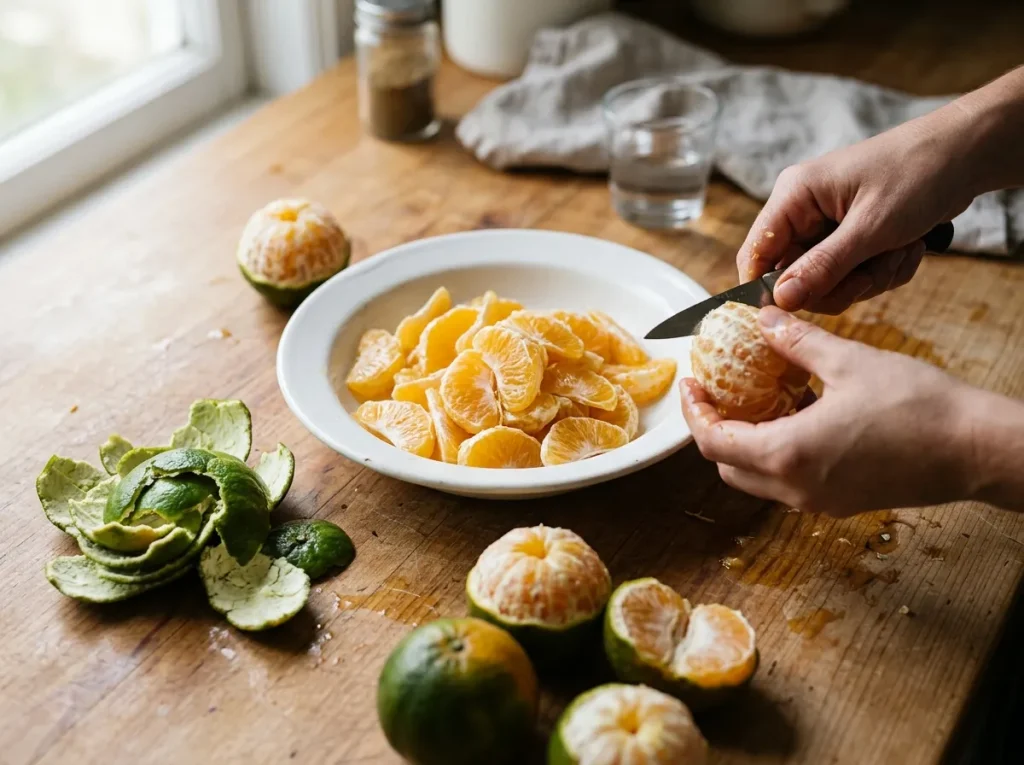
Wash the 4–6 oranges reserved for the pulp thoroughly under running water and dry them with a clean towel.
Peel the oranges and remove as much thick white pith and tough membrane as practical. Separate the flesh into small segments, removing any seeds and unwanted tough pieces.
Place the prepared orange segments in a clean bowl and set aside.
Step 2: Extract the Sweet Orange Juice
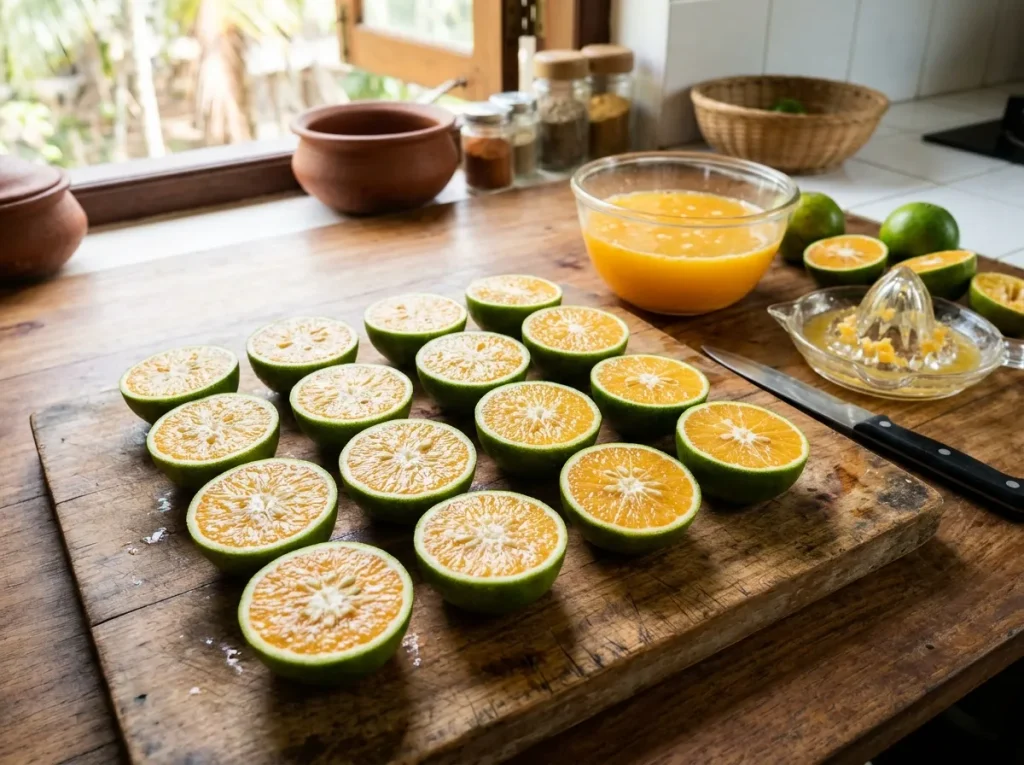
Take the remaining 7 green sweet oranges and cut each one in half, making 14 halves in total.
Squeeze the juice from all the halves into a clean bowl. Remove any seeds that fall into the juice. You may strain the juice if you prefer a smoother syrup base.
The quantity of juice will depend on the size and juiciness of your Pani Dodam oranges.
Step 3: Prepare the Lime Juice
Cut the 2 small fresh limes in half and squeeze out their juice into a separate bowl. Remove any seeds.
The lime juice adds a fresh citrus tang that balances the sweetness of the sugar and sweet oranges.
Step 4: Combine the Juice, Sugar, and Salt
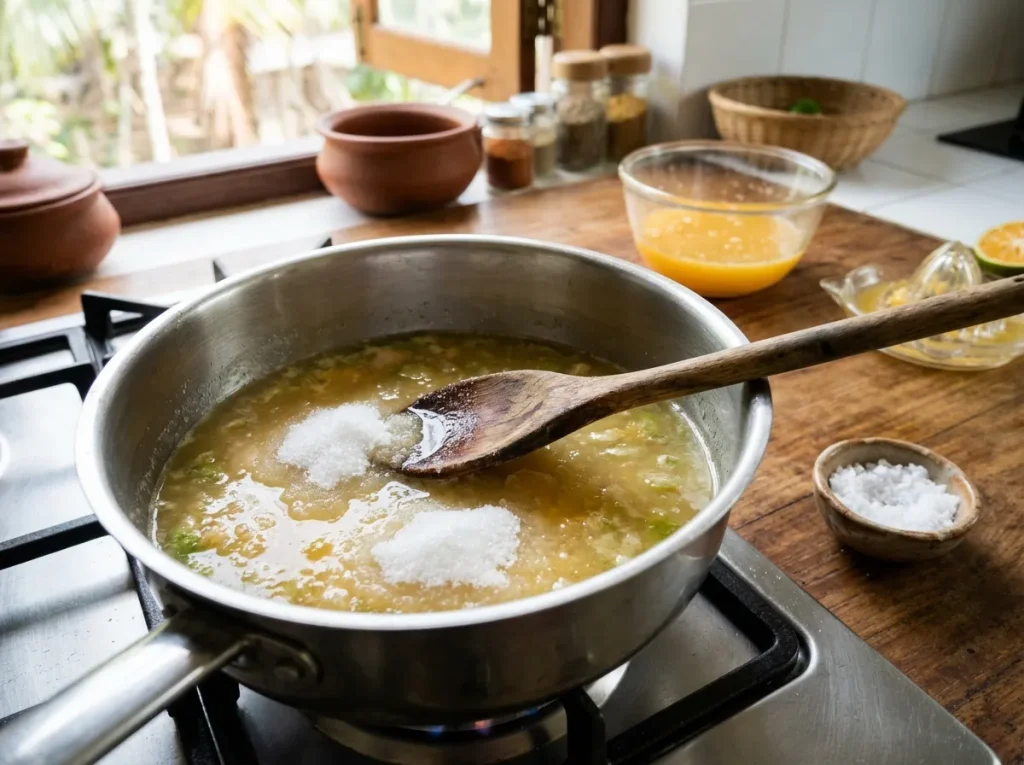
Place a heavy-bottomed saucepan or a clay pot suitable for stovetop cooking over medium-low to medium heat.
Pour in the freshly squeezed sweet orange juice and lime juice. Add the 2 cups of white granulated sugar and ½ teaspoon of salt.
Stir gently with a wooden or heat-resistant spoon until the sugar dissolves completely.
Bring the mixture to a gentle simmer. Avoid excessive heat, as concentrated sugar can stick to the bottom of the pan and burn.
Step 5: Add the Orange Pulp Segments
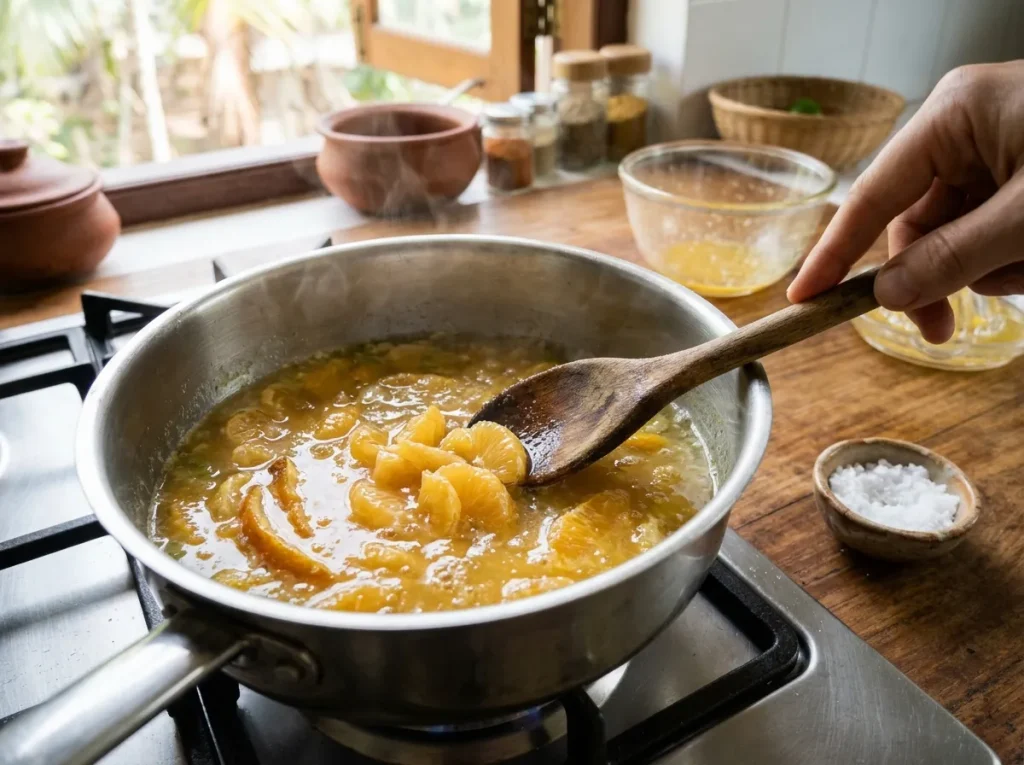
Carefully add the prepared orange pulp segments to the simmering liquid.
Stir gently to distribute the fruit throughout the mixture. Reduce the heat to medium-low and continue simmering.
Cook for approximately 20–35 minutes as an initial estimate, stirring occasionally to prevent sticking or scorching. The actual cooking time will depend on the amount of juice extracted, the pan size, and the heat level.
As the mixture simmers, the orange segments will soften and the liquid will gradually reduce.
Step 6: Simmer Until the Orange Caramel Syrup Thickens
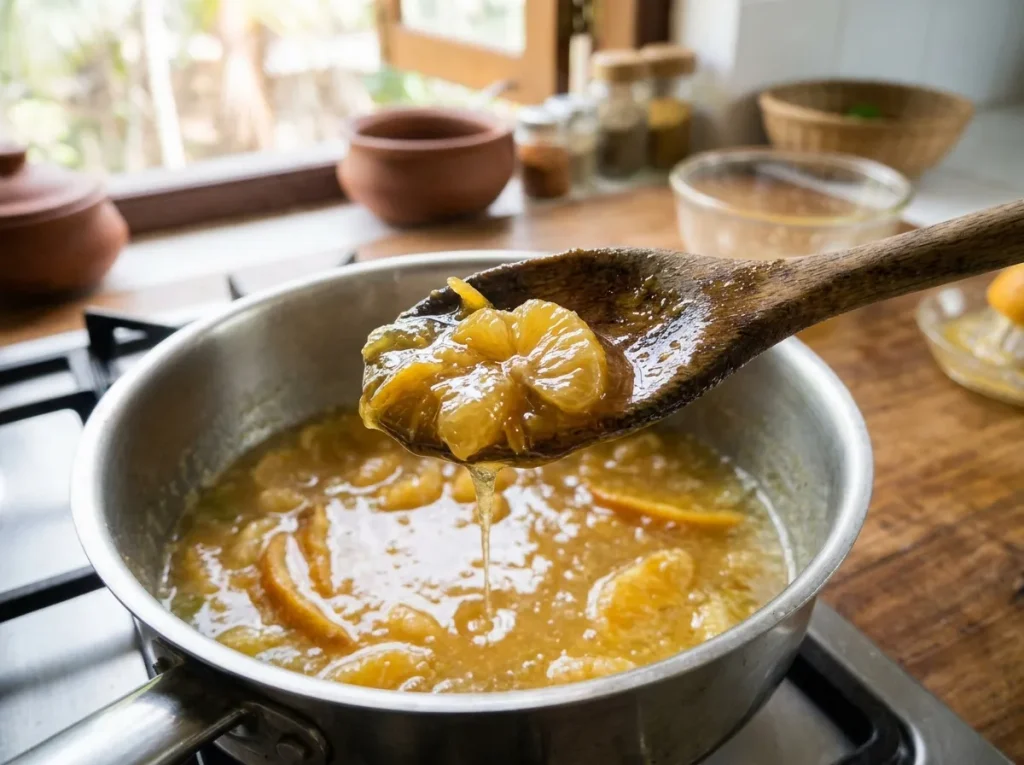
Continue cooking until the syrup becomes glossy and reaches your preferred consistency.
The syrup should lightly coat the back of a spoon, while the orange pulp remains visible throughout the mixture. If you prefer a thinner syrup for drinks, stop cooking earlier. For a thicker dessert topping, simmer a little longer while watching carefully.
Do not rely on a dark caramel colour alone to determine doneness. The goal is a thick, sweet citrus syrup, not burnt sugar.
Safety tip: Hot sugar syrup can cause serious burns. Avoid splashing, keep your hands away from the steam, and never taste the mixture while it is hot.
Step 7: Cool and Store
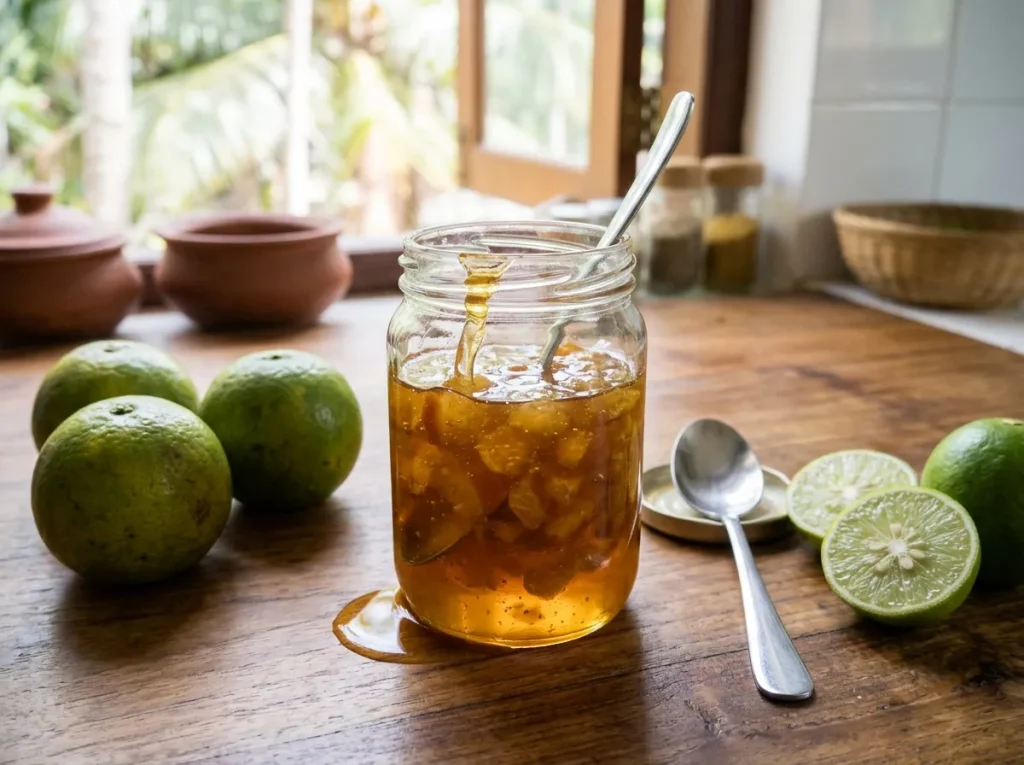
Remove the pot from the heat. Allow the syrup to stop steaming heavily before carefully transferring it into a clean, heat-safe container.
Cool it promptly and refrigerate it in a covered container. Follow the temperature guidance for your storage container, and do not pour very hot syrup into ordinary glass that may crack.
The Orange Caramel Syrup will generally become thicker as it cools.
Helpful Tips for the Best Results
- Choose juicy oranges: Select ripe, fragrant green sweet oranges. Green skin does not necessarily mean the fruit is unripe.
- Remove excess pith: Thick white pith and tough membranes can introduce bitterness.
- Dissolve the sugar first: Stir gently until the sugar dissolves before allowing the mixture to simmer.
- Use moderate heat: A gentle simmer helps the liquid reduce without scorching the sugar.
- Watch the consistency: The Orange Caramel Syrup thickens during cooling, so avoid over-reducing it while hot.
- Use suitable cookware: A heavy-bottomed saucepan offers good heat control. Use a clay pot only if it is designed for stovetop cooking.
- Adjust only after testing: The stated quantities are the corrected recipe measurements. Test the first batch before making changes to the sugar or cooking time.
Substitutions and Variations
Using Other Sweet Oranges
If Sri Lankan Pani Dodam is unavailable, use another juicy sweet orange variety. The flavour, acidity, and amount of juice may differ, so the finished syrup may require a different cooking time.
Using Different Sugar
White granulated sugar gives the syrup a relatively clean sweetness. Light brown sugar can be used for a deeper flavour and darker colour, although it will change the taste of the finished syrup.
Adjusting the Citrus Flavour
The recipe already includes juice from 2 small limes. If you prefer a milder citrus tang, test the recipe with a different lime quantity in a future batch rather than changing the established recipe measurements without testing.
How to Serve Sweet Orange Caramel Syrup
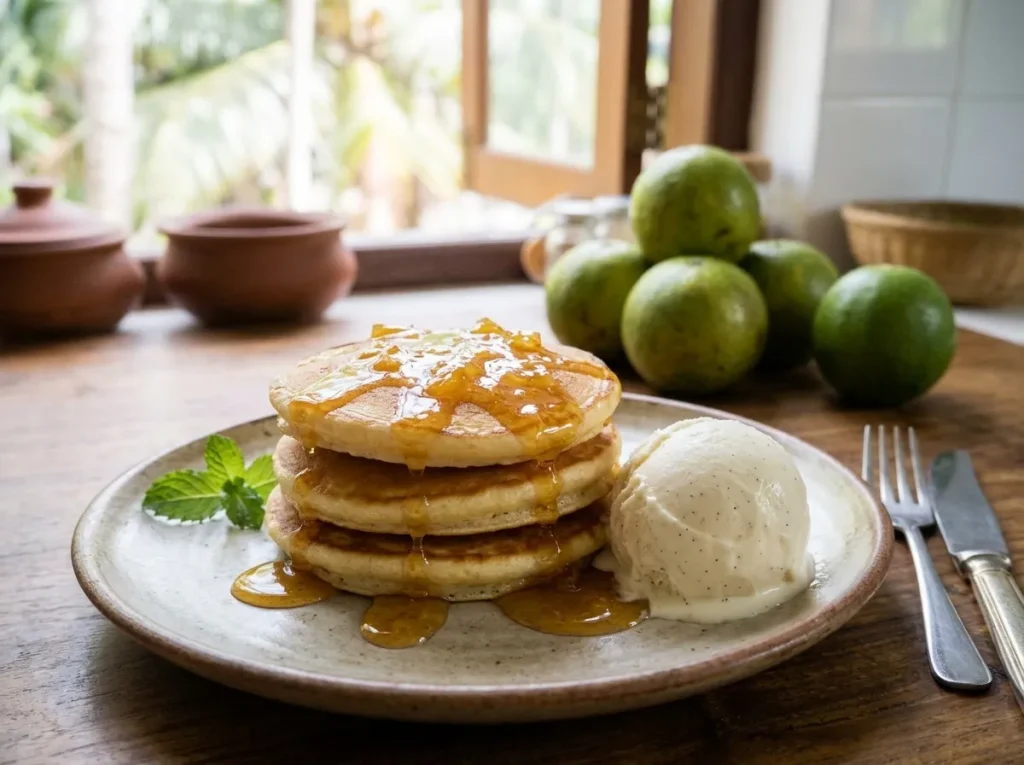
With Breakfast
Drizzle the Orange Caramel Syrup over pancakes, waffles, French toast, or warm homemade bread for a sweet citrus finish.
With Desserts
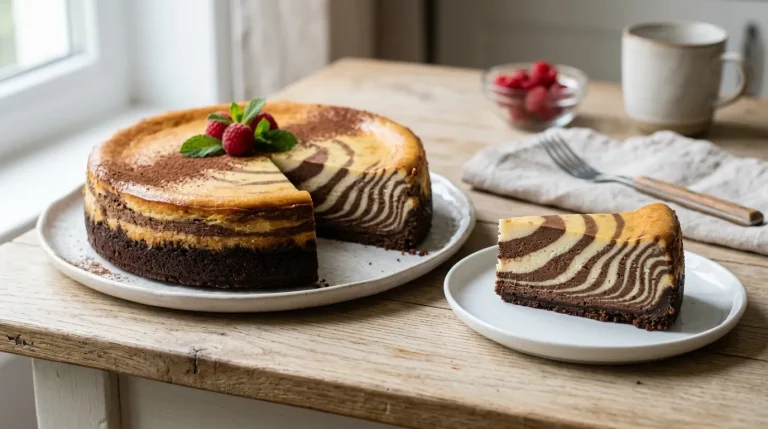
Serve it over vanilla ice cream, cheesecake, panna cotta, or other desserts that pair well with fruity toppings.
In Cold Drinks
Stir a small amount into chilled water or sparkling water and serve over ice. Adjust the quantity to suit your preferred sweetness.
With Fruit
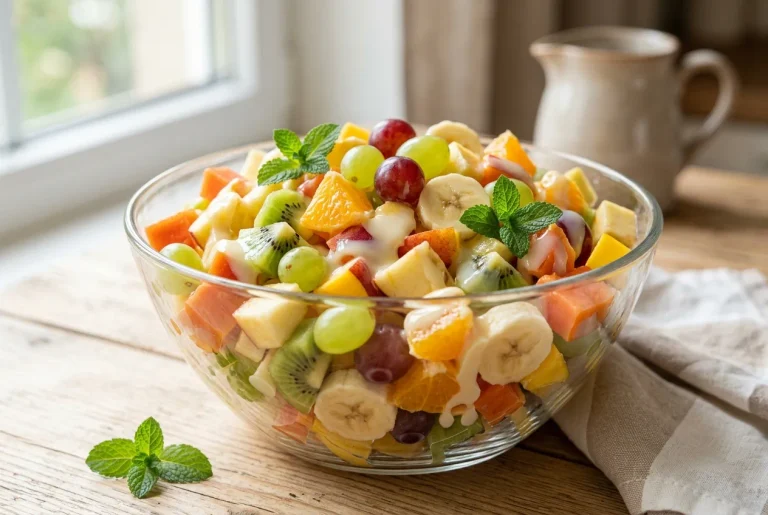
Spoon the syrup over sliced fruit or a simple fruit salad for an extra citrus flavour.
Storage and Food Safety
Because this recipe contains fresh citrus juice and fruit pulp, it should be treated as a refrigerated homemade food rather than a shelf-stable preserve.
- Refrigeration: Transfer the syrup to a clean, covered container and refrigerate promptly at 4°C (40°F) or colder.
- Recommended use: For a conservative household guideline, use within 3–4 days. This is not a laboratory-validated shelf life.
- Avoid prolonged room-temperature storage: Do not leave the syrup out for more than 2 hours, or more than 1 hour when the surrounding temperature exceeds 32°C (90°F).
- Prevent contamination: Always use a clean spoon when serving.
- Check for spoilage: Discard the syrup if you notice mould, unusual bubbling, fermentation, or an off smell. Do not taste it to check whether it is safe.
- For longer storage: Freeze in a suitable freezer-safe container, leaving space for expansion. Thaw in the refrigerator and use promptly.
Important: The sugar quantity and acidity in this recipe have not been validated for room-temperature preservation. Do not assume that a sterilized jar or a tightly closed bottle makes the Orange Caramel Syrup shelf-stable.
Frequently Asked Questions
What is Pani Dodam?
Pani Dodam (පැණි දොඩම්) is a Sri Lankan name for sweet oranges. Some varieties retain greenish skin even when ripe, so skin colour alone is not a reliable indication of ripeness.
Why are both sweet oranges and limes used?
Sweet oranges provide the main fruity flavour and juice, while lime juice adds a sharper citrus note that balances the sugar.
Why does the syrup become thicker after cooling?
As the syrup cools, its viscosity generally increases. Remove it from the heat when it is slightly thinner than your desired final consistency.
Why does my orange syrup taste bitter?
Bitterness can come from excess white pith, seeds, tough membranes, or overheating. Remove as much bitter material as practical and maintain a gentle simmer.
Can I make this syrup without orange pulp?
Yes. You can leave out the orange segments for a smoother syrup. However, the texture, yield, and cooking time will differ from the full recipe.
Can I keep the syrup in the pantry?
No. This version has not been tested or validated as a shelf-stable preserve. Refrigerate it promptly or freeze it for longer storage.
Conclusion
Sweet Orange Caramel Syrup is a delicious way to enjoy the tropical flavour of Sri Lankan Pani Dodam. Freshly squeezed sweet oranges, fragrant lime juice, sugar, salt, and tender orange segments come together to create a versatile homemade topping for breakfasts, desserts, and refreshing drinks.
Try this Sri Lankan-inspired recipe at home, enjoy the bright citrus flavour, and share your favourite serving ideas with the DishCrave community.
Enjoyed this recipe? Explore more homemade ideas and delicious dishes on DishCrave.
More Recipes to Try
Looking for more delicious homemade ideas? Explore these recipes from DishCrave:
- Crispy Mussaenda Chili Papadam Recipe – Try a crispy, spicy snack to enjoy alongside your favourite meals.
- Explore More Recipes – Discover more homemade recipes, snacks, desserts, and everyday cooking inspiration.